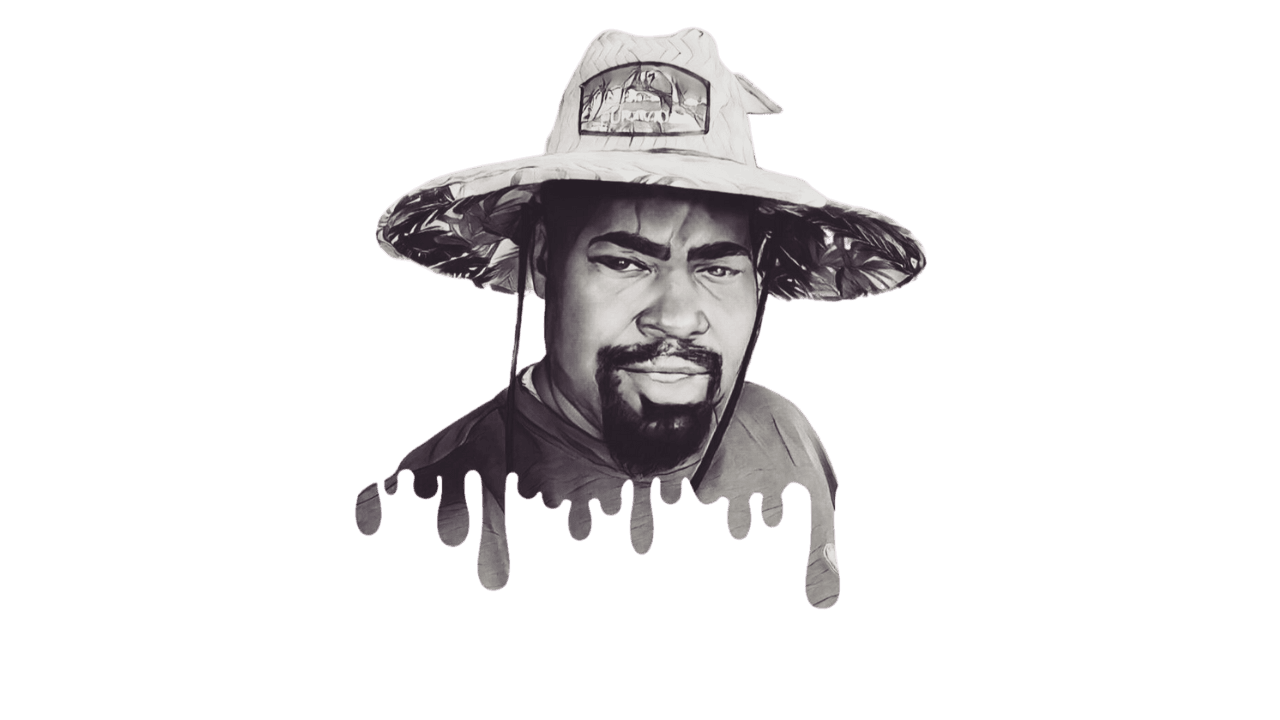
When I was a boy in Rock Spring, Jamaica, chocolate did not come from a wrapper. It came from a pod, split open in the yard while the morning air still carried the green smell of the trees. My people grew cacao alongside yams and coffee, and I still remember that white pulp, sweet on the tongue before anybody even thought about the beans inside. Then came the drying, the roasting over a fire, the grinding by hand. Dark, bitter, honest. That was chocolate to us. Nothing fancy. Just the long road from the tree to the cup.
So when I came across Blue Valley Chocolate here in Costa Rica, something in me recognized the work right away. What they call bean to bar, and sometimes root to bar or tree to bar, felt familiar because it is the same respect for the whole journey. Their cacao grows on their own organic farms, and they keep it traceable all the way back to the specific acres it came from. That matters to me. So much of what we eat now has been broken apart and put back together by too many hands, but this is chocolate that still remembers where it came from.
The woman behind it, master chocolatier Federica Heiman, keeps the craft clean and simple: no emulsifiers, no artificial flavorings, no preservatives. The sweetness comes from local cane sugar, and the character comes from tropical fruit grown in the same soil as the cacao. I like that. It tastes like a place, not a formula. And the way they care for the land stays with you too — almost entirely renewable energy, careful water management, packaging that avoids waste, and 59,870 trees planted through their reforestation work. That is not just talk. They have also won nine International Chocolate Awards, and their luxury line, Maleku, is now in high-end hotels and shops, with certified kosher options.
If you are moving through Guanacaste, you can meet Blue Valley two ways. There is the shop and workshop in Brasilito, a short hop from Playa Conchal and Flamingo, where an afternoon can slip by with a tasting and a look at how the bars are made. Or you can go deeper with the cacao farm tour inland in Upala, where you walk the grounds and see the reforestation and the organic trees for yourself. I like that second road. It takes you back to the source, the way the best things often do.
I have spent a good part of my life chasing the honest version of things — the meal cooked the old way, the room run by the family who owns it, the place that tastes like itself and not like everywhere else. Blue Valley belongs on that list. It took me back to a yard in Rock Spring and reminded me that the long way is usually the right one. Keep it whole. Keep it honest. Let the place taste like itself.




Unsubscribe from the newsletter (you'll still receive other updates).